The Bad Plus
Untrammeled Freedom
On Sacred Ground: Stravinsky’s Rite of Spring
The Bad Plus
Mandela Hall, Belfast
25 May 2012
As the BBC said in the project Settling the Score — a Journey through the Music of the Twentieth Century: nowadays anyone can ‘toss off The Rite of Spring without turning a hair.’
It’s true. Stravinsky’s beloved Le sacre du printemps has been so used and abused by orchestras, prog rockers and metalheads, so dissected and plundered by young (and older, should-know-better) composers, its carcass picked and fought over by so many opposing packs of Apollonian or Dionysian wolfish musicologists, that we’d be forgiven for thinking that the poor piece must have had enough already — that it will finally expire through exhaustion at the hands of this collective groping. And yet, like Muhammad Ali propped against the ropes in his 1974 Rumble in the Jungle with Foreman, Le sacre seems to say: ‘is that all you got, George?’
Yes, the Rite of Spring, it can safely be said now, one hundred years since its first performance, is indestructible, indomitable, and as such remains adored by every musician. It represents untrammelled freedom.
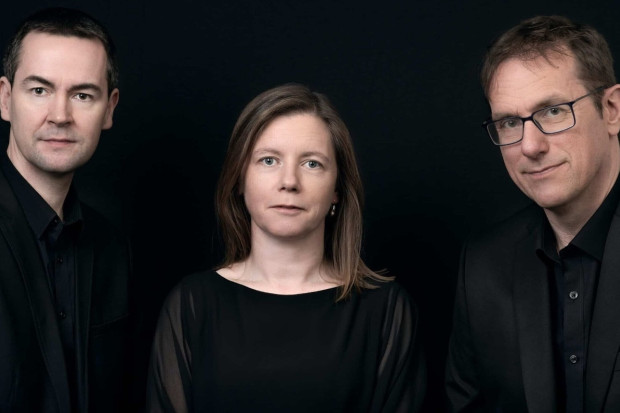
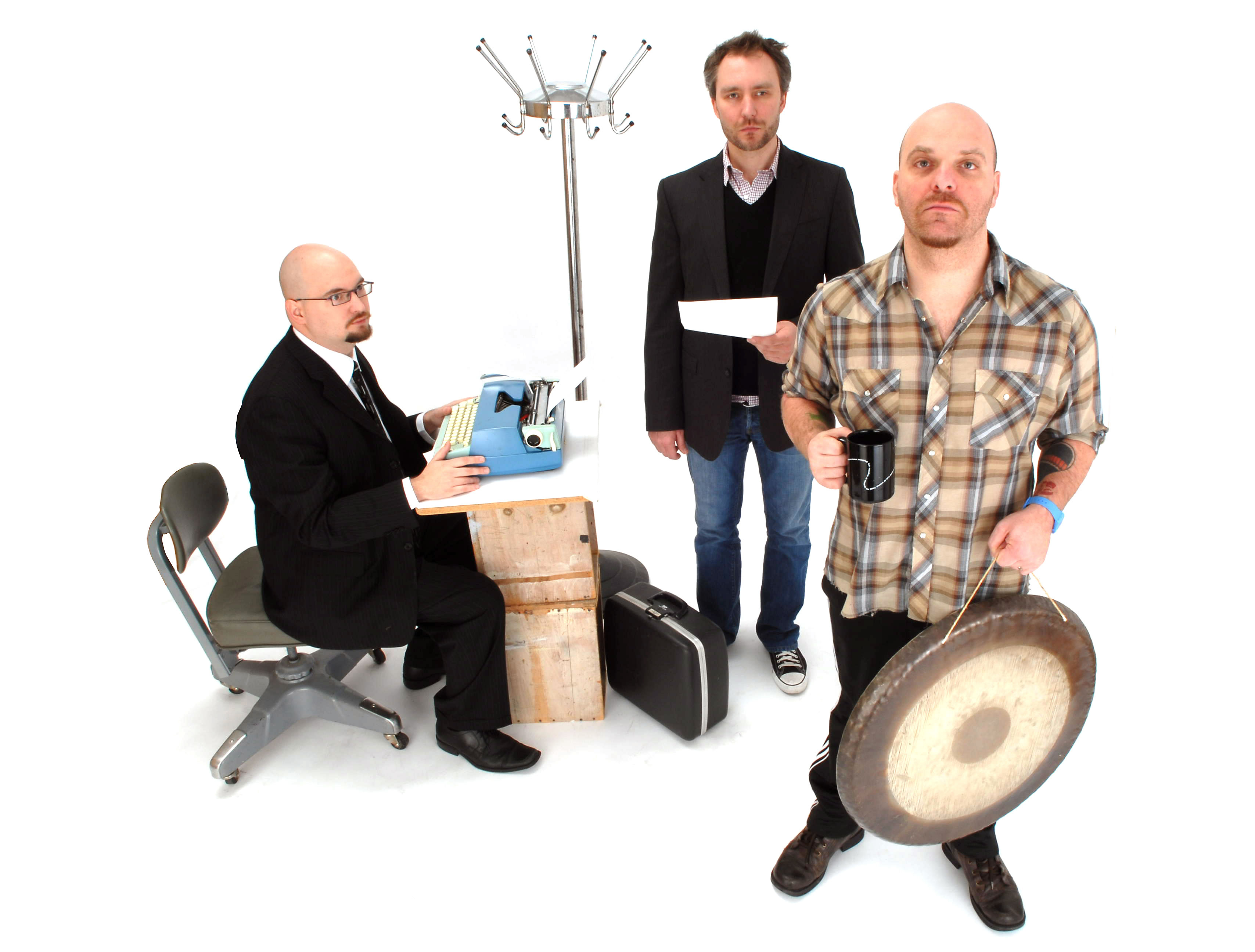
For the Bad Plus (‘the jazz trio with a library ticket’ as someone said at their Belfast gig), On Sacred Ground: Stravinsky’s Rite of Spring is about homage, not competition or appropriation. Reverential to their fingertips, these fine jazzmen coax selected beautiful chords and sound complexes out of the original maelstrom, shine analytical light on otherwise neglected innards, and give us the full rhythmic rollercoaster ride. What they can’t do, or maybe do not want to do (and this is not a criticism, necessarily, it may indeed be the point of the exercise), is to grasp the spooky, overwhelming effusion of pagan melodies. This is a version that leaves its Russian heritage determinedly in the last century.
A Rite for an age of austerity, perhaps? It’s a Rite, anyhow, that’s all about musical sacrifice, and about the possibility of meaningful sacrifice. As an experiment, On Sacred Ground is a fascinating focus on the problem of identity — how far can we be stripped down without losing our selves? For many of the Bad Plus’ listeners, however, this reimagining will not have the necessary depth, or madness, or intimacy. Even Noah Hutton’s accompanying film, with its attempt at tracing a way back to the source with flickering memories of the original Nijinsky choreography, can only provide a further barrier to overcome, an additional reason to feel detached from the action.
Le sacre excites audiences because of its glorious, astounding, jaw-dropping irresponsibility — ‘How did he think he’d get away with it?’ gasps any composer stealing a thrilling and terrifying personal moment with the score. The Bad Plus, too precious on this occasion, were never going to achieve that kind of response. That’s fine, of course, and there’s no reason why the challenge shouldn’t have been taken on. But what is unfortunate is the way the group’s experience of the Rite negatively affects the second-half set of Bad Plus originals, which comes across as far too composerly, far too predetermined for post-sacrificial late night jazz — because, and if Stravinsky taught us anything it’s surely this, our hands are all a bit bloodied come the twilight hour.
Published on 28 May 2012
Peter Rosser (1970–2014) was a composer, writer and music lecturer. He was born in London and moved to Belfast in 1990, where he studied composition at the University of Ulster and was awarded a DPhil in 1997. His music has been performed at the Spitalfields Festival in London, the Belfast Festival at Queen’s and by the Crash Ensemble in Dublin. In 2011 the Arts Council acknowledged his contribution to the arts in Northern Ireland through a Major Individual Artist Award. He used this award to write his Second String Quartet, which was premiered in 2012 by the JACK Quartet at the opening concert at Belfast's new Metropolitan Arts Centre (The MAC). Peter Rosser also wrote extensively on a wide range of music genres, with essays published in The Journal of Music, The Wire, Perspectives of New Music and the Crescent Journal. He died following an illness on 24 November 2014, aged 44.